

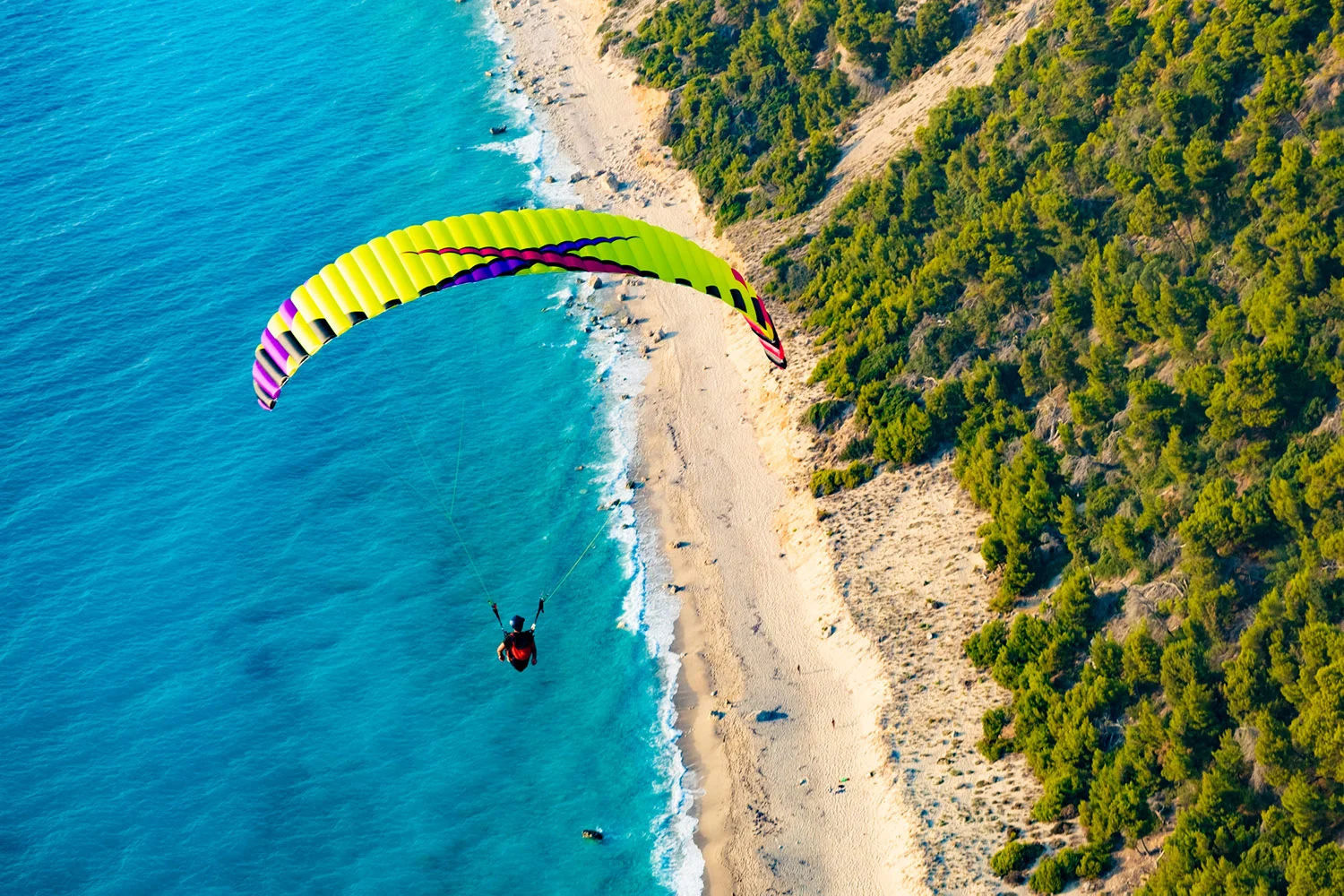
How to Learn Paragliding: A Complete Beginner’s Guide
Paragliding is one of the most exciting ways to experience the freedom of flight. Unlike skydiving, paragliding allows you to stay in the air longer, enjoy scenic views, and learn the skill of controlling your own aircraft. Many beginners think paragliding is only for extreme athletes, but with proper training and certified instructors, almost anyone can learn safely.
Whether your dream is to fly over mountains, beaches, or countryside landscapes, learning paragliding is a step-by-step journey that combines theory, practical skills, and confidence building.
In this guide, you will learn:
- What paragliding is
- How beginners start training
- Equipment needed
- How long it takes to learn
- Safety considerations
- Costs of training
- Tips to become a better pilot
What Is Paragliding?
Paragliding is a recreational and competitive flying sport where pilots fly lightweight, foot-launched gliders. The wing is made from durable fabric and designed to catch air currents, allowing the pilot to glide through the sky.
Unlike powered aircraft, traditional paragliders rely on wind and thermal currents to stay airborne. Pilots control direction and speed using brake handles connected to the wing.
Paragliding offers:
- Incredible panoramic views
- A peaceful flying experience
- Adventure and adrenaline
- Personal achievement
- Travel opportunities to famous flying sites
Can Anyone Learn Paragliding?
Yes. Most healthy individuals can learn paragliding with professional instruction.
Typical requirements include:
-
- Minimum age set by local schools
- Reasonable physical fitness
- Ability to run during takeoff and landing
<
- Willingness to follow safety procedures
You do not need previous aviation experience to begin.
Many students start with tandem paragliding flights before progressing to solo training.
Step-by-Step Guide to Learning Paragliding
1. Start With a Tandem Flight
A tandem flight is the best introduction to paragliding.
During a tandem experience:
- You fly with a certified instructor
- The instructor controls the glider
- You experience takeoff, flight, and landing safely
- You learn basic flight sensations
This helps beginners decide whether they want to continue training.
2. Choose a Certified Paragliding School
Selecting the right school is extremely important.
Look for:
- Certified instructors
- Good safety reputation
- Modern equipment
- Structured training programs
- Positive student reviews
- Insurance and safety protocols
A professional school teaches both theory and practical flying skills.
3. Learn Ground Handling
Ground handling is one of the most important skills in paragliding.
Students learn:
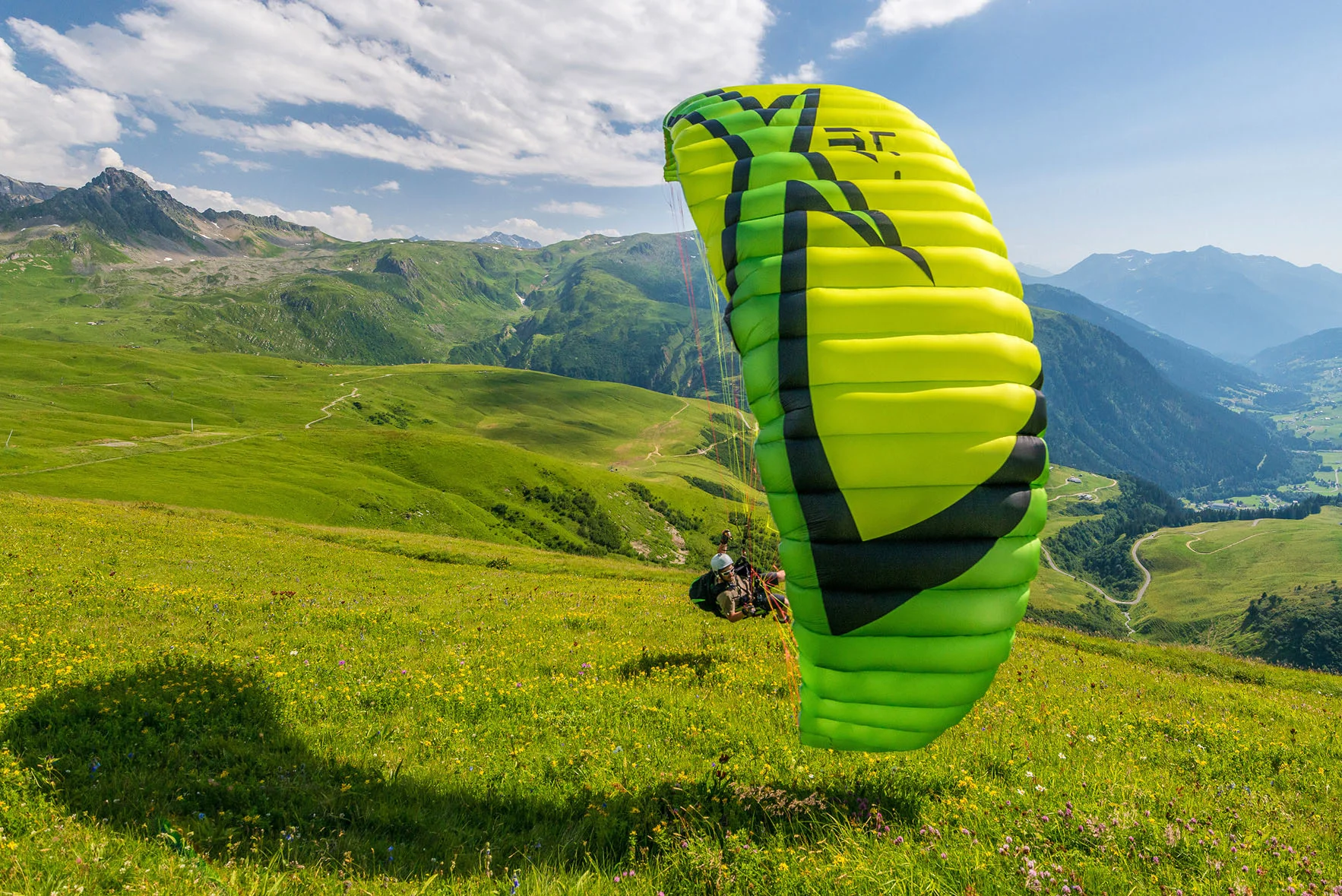
- Wing control on the ground
- Inflation techniques
- Wind awareness
- Balance and coordination
- Safe launch preparation
Strong ground handling skills improve overall flight safety.
4. Study Paragliding Theory
Before flying solo, students learn aviation basics such as:
Weather and Meteorology
Understanding wind direction, thermals, clouds, and weather conditions.
Aerodynamics
Learning how the wing creates lift and how flight control works.
Safety Procedures
Emergency handling, reserve parachute basics, and risk management.
Air Traffic Rules
Understanding local aviation regulations and flying zones.
Your First Solo Flights
After sufficient ground practice, students begin small training flights from gentle slopes.
These beginner flights help students practice:
- Controlled takeoff
- Straight flight
- Gentle turns
- Landing techniques
Instructors supervise every step through radio communication.
As confidence grows, students progress to higher flights and longer airtime.
Essential Paragliding Equipment
Professional schools usually provide equipment during training.
Main equipment includes:
Paraglider Wings
The fabric wing designed for gliding flight.
Harness
The seat connected to the wing.
Helmet
Protects the pilot during launch and landing.
Reserve Parachute
Emergency backup parachute.
Variometer
A device that measures altitude gain and descent.
Radio Communication
Allows instructors to guide students during flights.
How Long Does It Take to Learn Paragliding?
Learning speed depends on:
- Weather conditions
- Student confidence
- Frequency of training
- Physical coordination
Most beginners can complete basic training within several days to a few weeks.
However, becoming a skilled pilot takes ongoing practice and experience.
Many pilots continue improving for years by learning:
- Thermal flying
- Cross-country flying
- Advanced weather reading
- Precision landing
- Mountain flying techniques
Is Paragliding Safe?
Paragliding can be safe when practiced responsibly with proper training.
Safety depends on:
- Qualified instructors
- Good weather decisions
- Certified equipment
- Proper maintenance
- Pilot discipline
Most accidents happen due to poor judgment or unsafe weather conditions.
Professional training emphasizes risk management and decision-making skills.
Common Beginner Mistakes
New pilots often make mistakes such as:
- Flying in strong winds
- Ignoring weather forecasts
- Poor launch posture
- Over-controlling the brakes
- Skipping equipment checks
Good instructors help students avoid these problems through structured practice.
How Much Does It Cost to Learn Paragliding?
Training costs vary by country and school.
Typical beginner course fees may include:
- Instructor guidance
- Equipment rental
- Ground school lessons
- Radio support
- Training flights
Additional long-term costs may include:
- Purchasing your own gear
- Travel to flying sites
- License certifications
- Advanced training courses
While paragliding requires investment, many pilots consider it a life-changing experience.
Tips for Becoming a Better Paragliding Pilot
Practice Regularly
Consistency helps build confidence and muscle memory.
Learn Weather Reading
Weather knowledge is critical for safe flying.
Improve Ground Handling
Excellent wing control on the ground improves safety in the air.
Stay Physically Fit
Good fitness improves takeoff performance and endurance.
Fly With Experienced Pilots
Learning from experienced communities accelerates progress.
Never Stop Learning
Even advanced pilots continue training and improving their skills.
Best Places to Learn Paragliding
Many countries offer world-class beginner training locations with stable weather and beautiful scenery.
Popular training environments include:
- Coastal cliffs
- Mountain valleys
- Hillside launch sites
- Open grassy slopes
Choosing a location with calm beginner-friendly conditions helps students learn more comfortably.
Why People Love Paragliding
Paragliding offers more than adventure.
Pilots often describe it as:
- Relaxing
- Meditative
- Empowering
- Addictive
- Life-changing
Flying silently above landscapes creates a unique sense of freedom that few sports can match.
Conclusion
Learning paragliding is an exciting journey that combines adventure, skill, and personal growth. With professional instruction, proper equipment, and consistent practice, beginners can safely progress from their first tandem flight to independent flying.
The key to becoming a successful pilot is patience, safety awareness, and continuous learning.
If you have ever dreamed of flying like a bird, paragliding may be the perfect adventure to start today. Follow us on Instagram ITV Indonesia.