
Paramotor vs Paragliding: What’s the Difference and Which One Is Right for You?
Paramotor vs Paragliding. Flying like a bird has always been a dream for many people. Today, two of the most popular air sports that make this dream possible are paramotor and paragliding. Both sports allow pilots to soar through the sky with incredible views and unforgettable experiences. However, many beginners are confused about the differences between the two.
If you are considering learning to fly or booking your first tandem flight, understanding the distinction between paramotor and paragliding is essential. This guide explains everything you need to know, including equipment, flight style, safety, costs, training, and which option may suit you best.
What Is Paragliding?
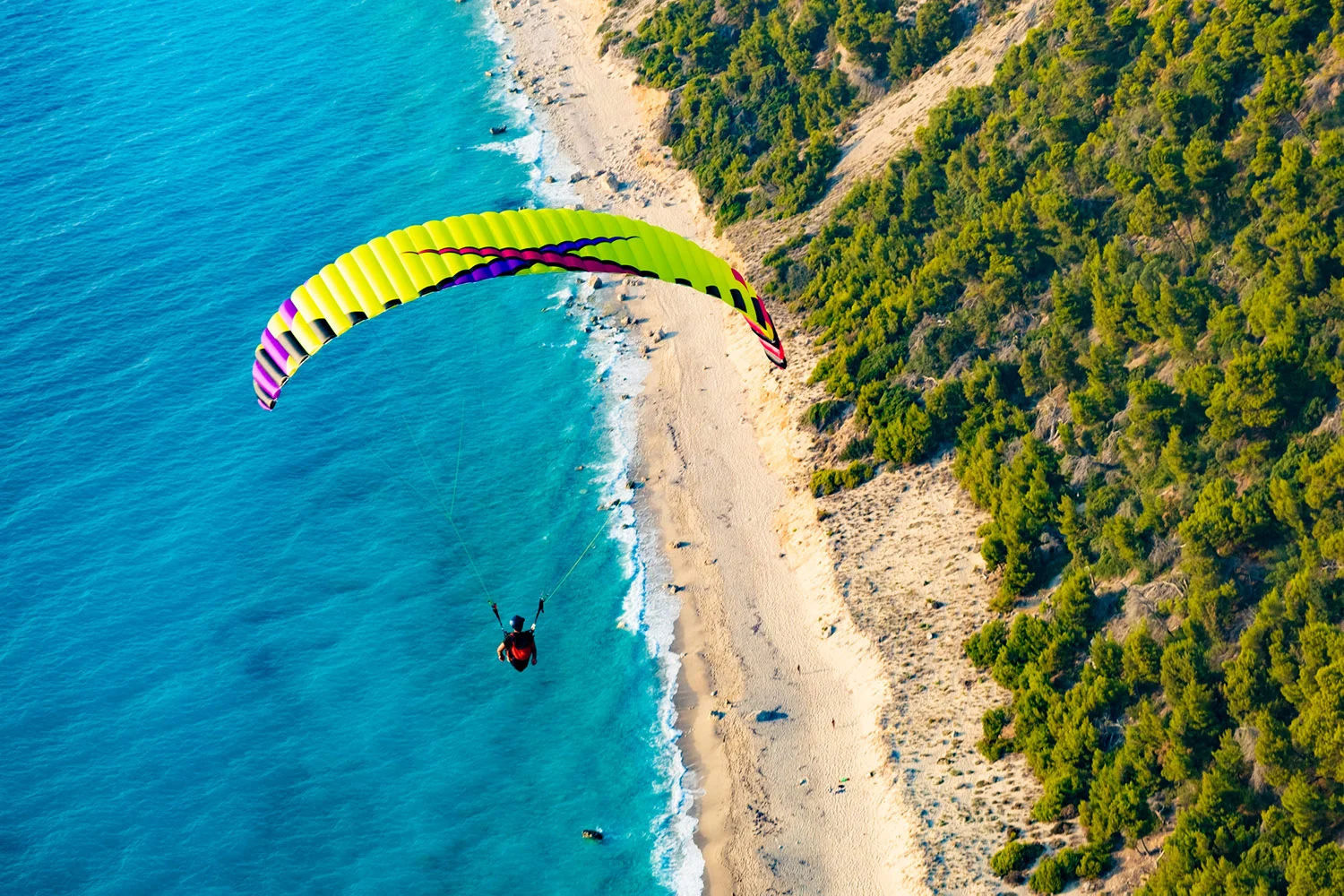
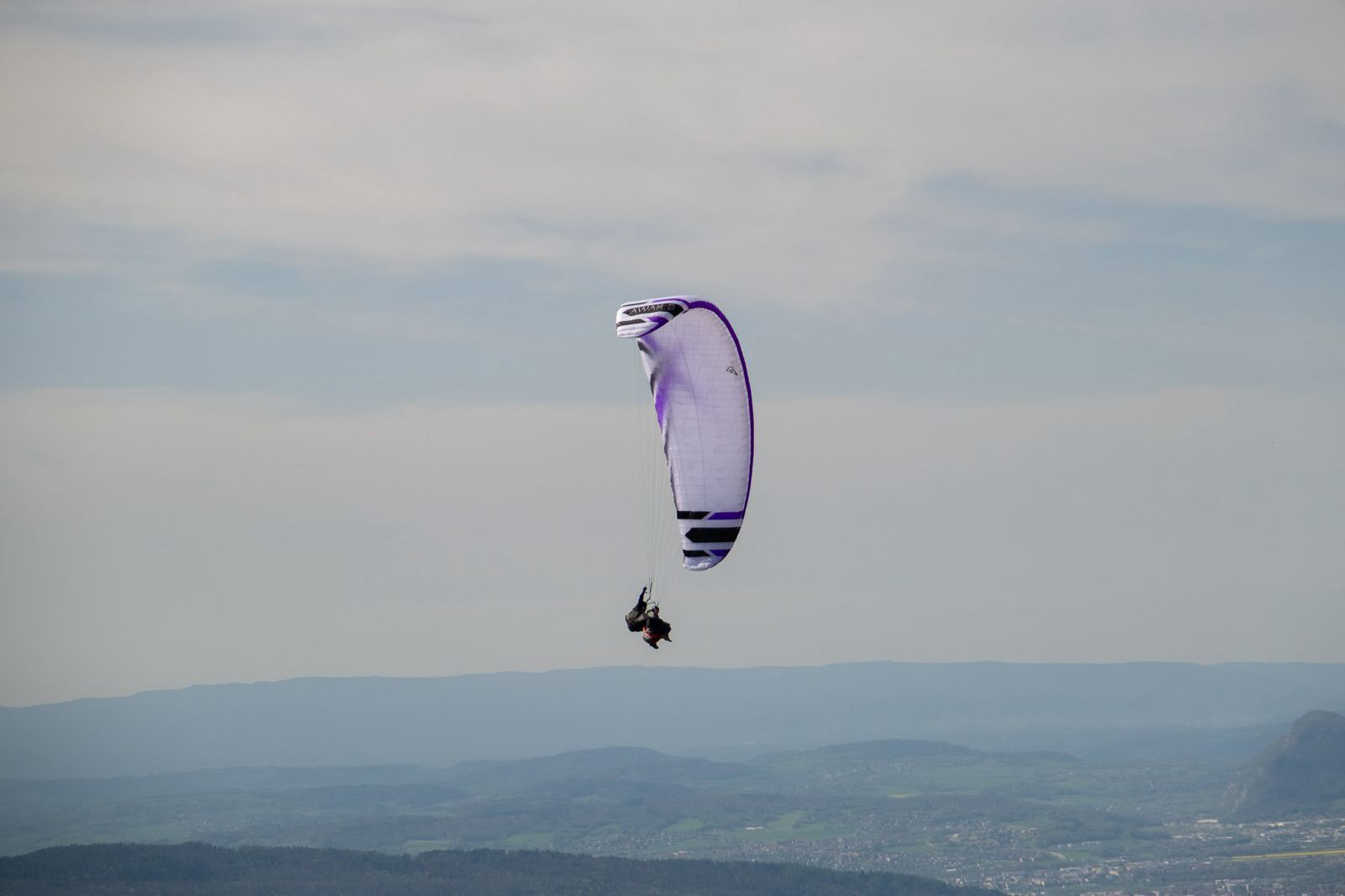
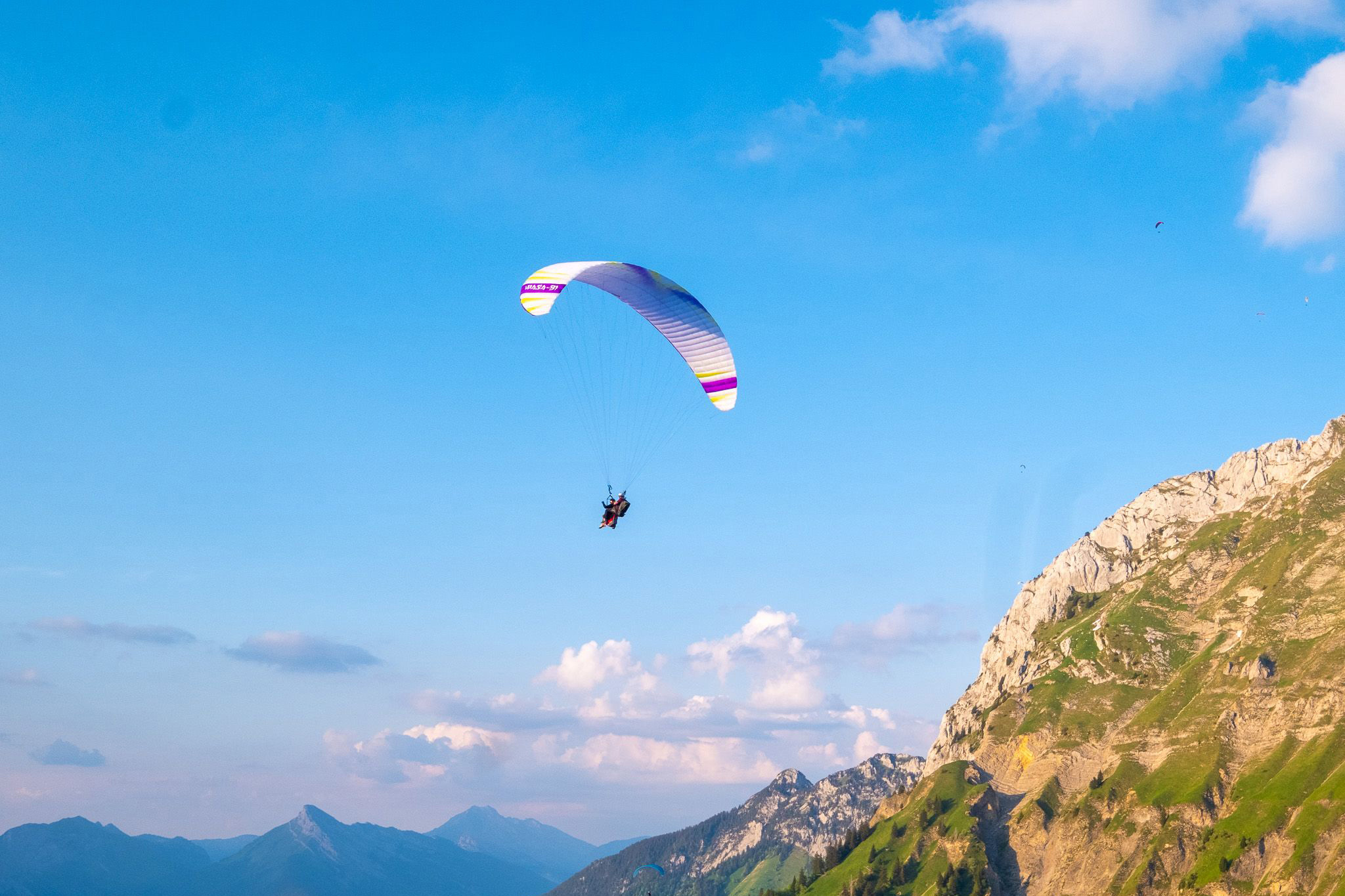
Paragliding is a free-flight air sport where the pilot flies using a lightweight wing called a paraglider. The pilot launches from a hill or mountain by running forward until the wing catches the air and lifts off.
Unlike powered aircraft, paragliding relies entirely on wind currents and thermal lift to stay airborne. This creates a peaceful and natural flying experience.
Key Features of Paragliding
- Non-motorized flight
- Launches from hills or mountains
- Uses wind and thermal currents
- Quiet and eco-friendly
- Popular for scenic mountain flights
Paragliding is often described as feeling like soaring naturally with the wind.
What is Paramotor?
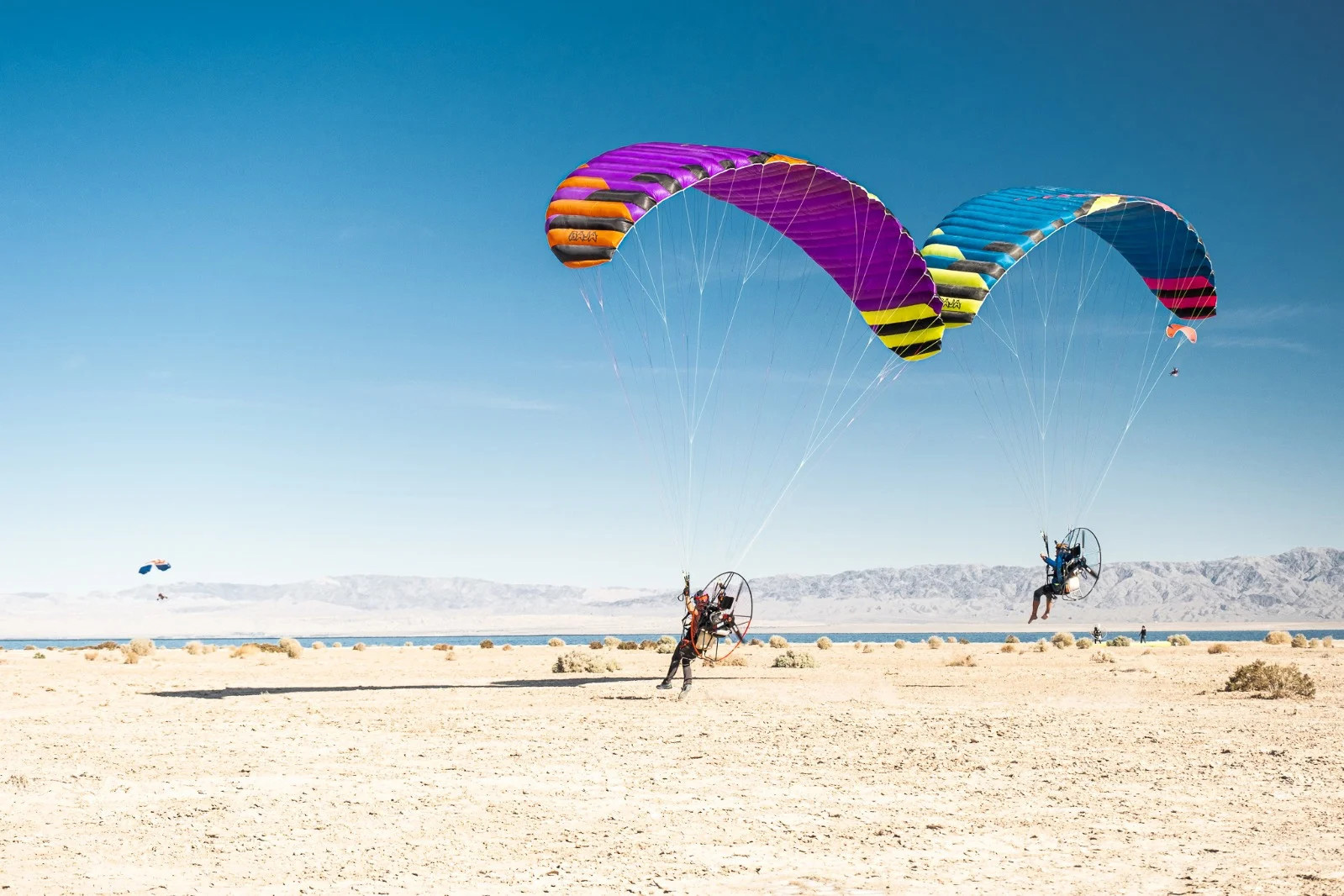
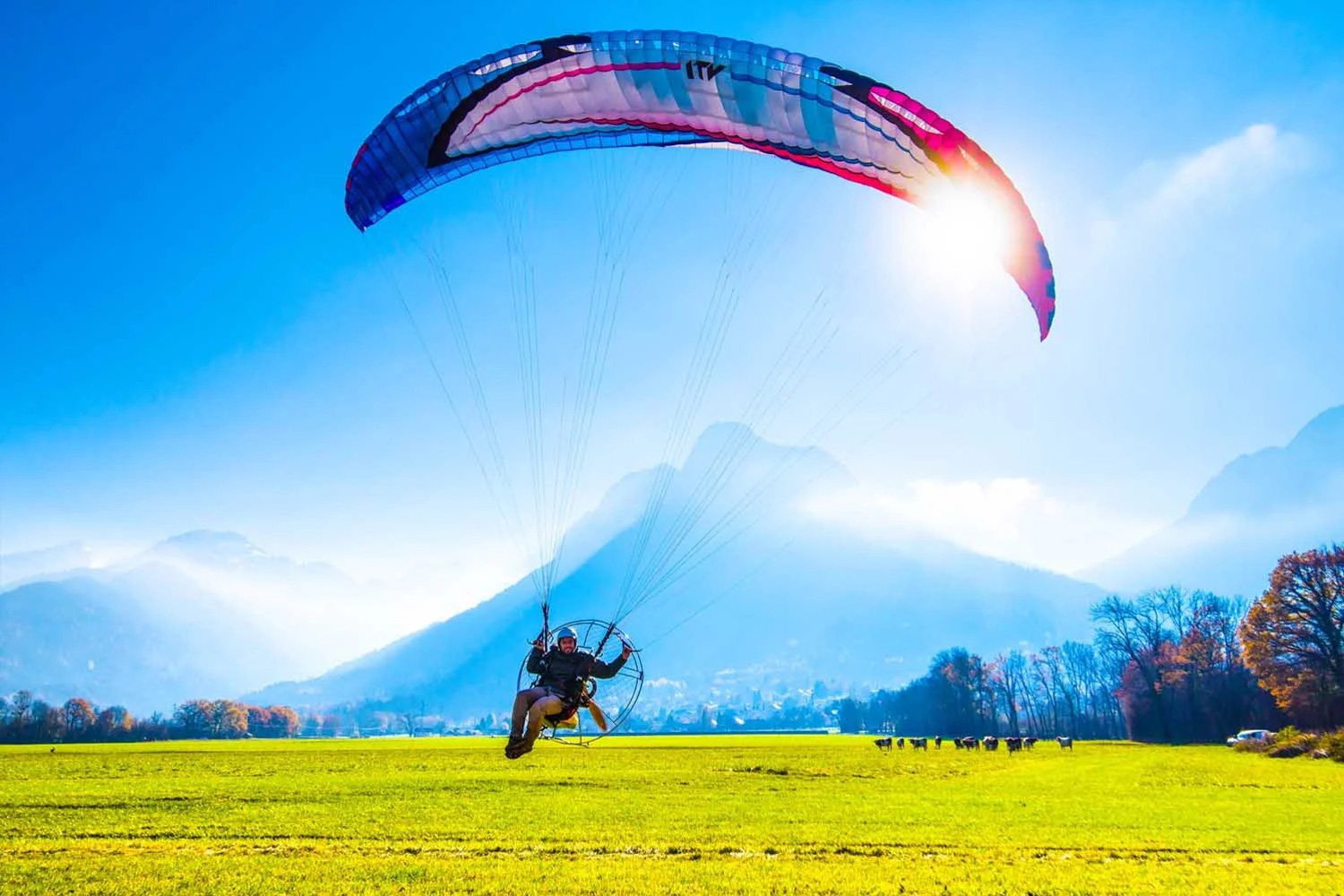
Paramotor, also known as powered paragliding, uses a similar wing design but includes a motor and propeller attached to the pilot’s back. The engine provides thrust, allowing pilots to take off from flat ground without needing mountains or strong wind conditions.
The motor gives pilots more control over altitude and flight direction.
Key Features of Paramotor
- Motor-powered flight
- Can launch from flat land
- Greater flight flexibility
- Easier takeoff in many locations
- Longer flight duration
Paramotoring is ideal for pilots who want freedom to fly almost anywhere.
Main Differences Between Paramotor vs Paragliding
1. Power Source
The biggest difference is the engine.
Paragliding
- No engine
- Depends on natural wind and thermals
Paramotor
- Uses a gasoline-powered motor
- Generates thrust independently
Because of this, paramotor pilots can fly even when thermal conditions are weak.
2. Takeoff Location
Paragliding
Paragliders usually launch from:
- Hills
- Mountains
- Cliffs
A suitable slope and wind direction are important for safe takeoff.
Paramotor
Paramotors can launch from:
- Open fields
- Beaches
- Grass runways
- Flat terrain
This makes paramotor more flexible in terms of flying locations.
3. Flight Experience
Paragliding Experience
Paragliding offers:
- Quiet flights
- Smooth gliding
- Natural soaring sensation
- Strong connection with nature
It is often preferred by people seeking a peaceful and relaxing adventure.
Paramotor Experience
Paramotor flying offers:
- More speed
- Greater maneuverability
- Longer distance travel
- Engine-powered climbing
Many pilots enjoy the freedom and independence that powered flight provides.
4. Weather Dependency
Paragliding
Highly dependent on:
- Wind direction
- Thermal activity
- Mountain conditions
Poor weather may cancel flights.
Paramotor
Less dependent on thermals because the engine provides lift assistance. However, strong wind and storms are still unsafe.
Paramotor generally allows more flying opportunities throughout the year.
5. Equipment Differences
Paragliding Equipment
Basic equipment includes:
- Paraglider wing
- Harness
- Helmet
- Reserve parachute
- Variometer
Paramotor Equipment
Paramotor equipment includes:
- Paraglider wing
- Motor unit
- Propeller
- Fuel tank
- Harness
- Helmet
- Reserve parachute
Because of the engine system, paramotor equipment is heavier and more technical.
6. Training Requirements
Learning Paragliding
Training usually covers:
- Ground handling
- Weather understanding
- Launch techniques
- Landing skills
- Emergency procedures
Students often begin with tandem flights before solo training.
Learning Paramotor
Paramotor training includes:
- Wing control
- Engine management
- Fuel safety
- Powered takeoff and landing
- Air navigation
Although both sports require training, paramotor adds engine-related skills.
7. Safety Comparison
Both paramotor and paragliding can be safe when:
- Using certified equipment
- Flying in suitable weather
- Training with qualified instructors
- Following safety procedures
Paragliding Risks
- Sudden weather changes
- Turbulence near mountains
- Hard landings
Paramotor Risks
- Engine failure
- Propeller hazards
- Fuel system issues
Modern safety equipment and professional instruction greatly reduce risks in both sports.
8. Cost Comparison
Paragliding Costs
Typical expenses:
- Training courses
- Wing and harness
- Safety gear
Paragliding equipment is generally less expensive because there is no engine.
Paramotor Costs
Additional costs include:
- Motor maintenance
- Fuel
- Engine repairs
- Propeller replacement
Paramotor is usually more expensive overall due to powered equipment.
Which Is Easier for Beginners (Paramotor vs Paragliding)?
This depends on personal goals.
Choose Paragliding If You Want:
- Quiet scenic flights
- Mountain adventures
- Pure gliding experience
- Simpler equipment
Choose Paramotor If You Want:
- Independent takeoff
- Flat-ground flying
- Longer flights
- More control over movement
Many people start with tandem experiences before deciding which sport they enjoy most.
Can You Learn Both (Paramotor vs Paragliding)?
Yes. Many pilots practice both paramotor and paragliding because the wing-handling skills are similar. Learning one sport can make transitioning to the other easier.
Pilots who enjoy mountain soaring may prefer paragliding on some days and powered flying on others.
Tandem Flights: The Best Way to Start
If you are unsure which sport is right for you, a tandem flight is the perfect introduction.
During a tandem experience:
- A certified instructor controls the flight
- No previous experience is required
- You can enjoy the scenery safely
- You learn how each sport feels in real conditions
Many flight schools offer both tandem paragliding and tandem paramotor experiences.
Final Thoughts Paramotor vs Paragliding
Both paramotor and paragliding offer incredible opportunities to experience human flight. While they share similar wing designs, the flying style, equipment, and experience are very different.
Paragliding provides a peaceful, natural soaring experience that depends on the environment and weather conditions. Paramotor adds engine power, flexibility, and the ability to launch from flat ground almost anywhere.
The best choice depends on your personality, goals, budget, and preferred flying style. Whether you choose silent mountain gliding or engine-powered exploration, both sports deliver unforgettable adventures in the sky. For more info, please Contact ITV Indonesia.