

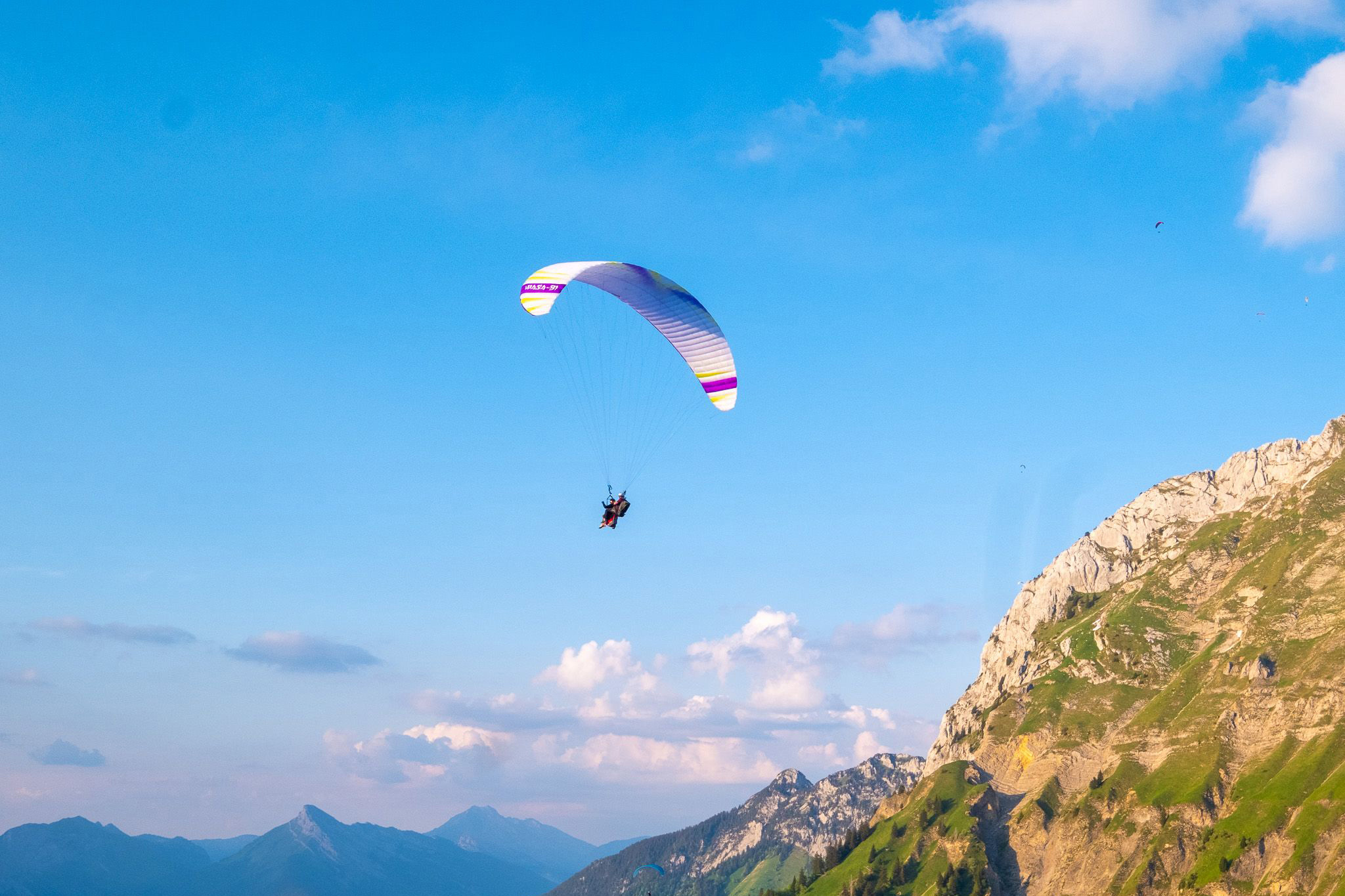
What Is Paragliding? Complete Guide to the Freedom of Flying
Paragliding is one of the most exciting air sports in the world. It gives people the opportunity to experience the sensation of flying freely through the sky using a lightweight, foot-launched glider. Unlike airplanes or helicopters, paragliding allows pilots to soar naturally with the wind, creating an unforgettable combination of adventure, freedom, and breathtaking scenery.
Whether you are looking for a thrilling outdoor activity, planning your first tandem flight, or considering becoming a certified pilot, this guide will help you understand everything about paragliding — from how it works and safety procedures to equipment, benefits, and frequently asked questions.
What Is Paragliding?
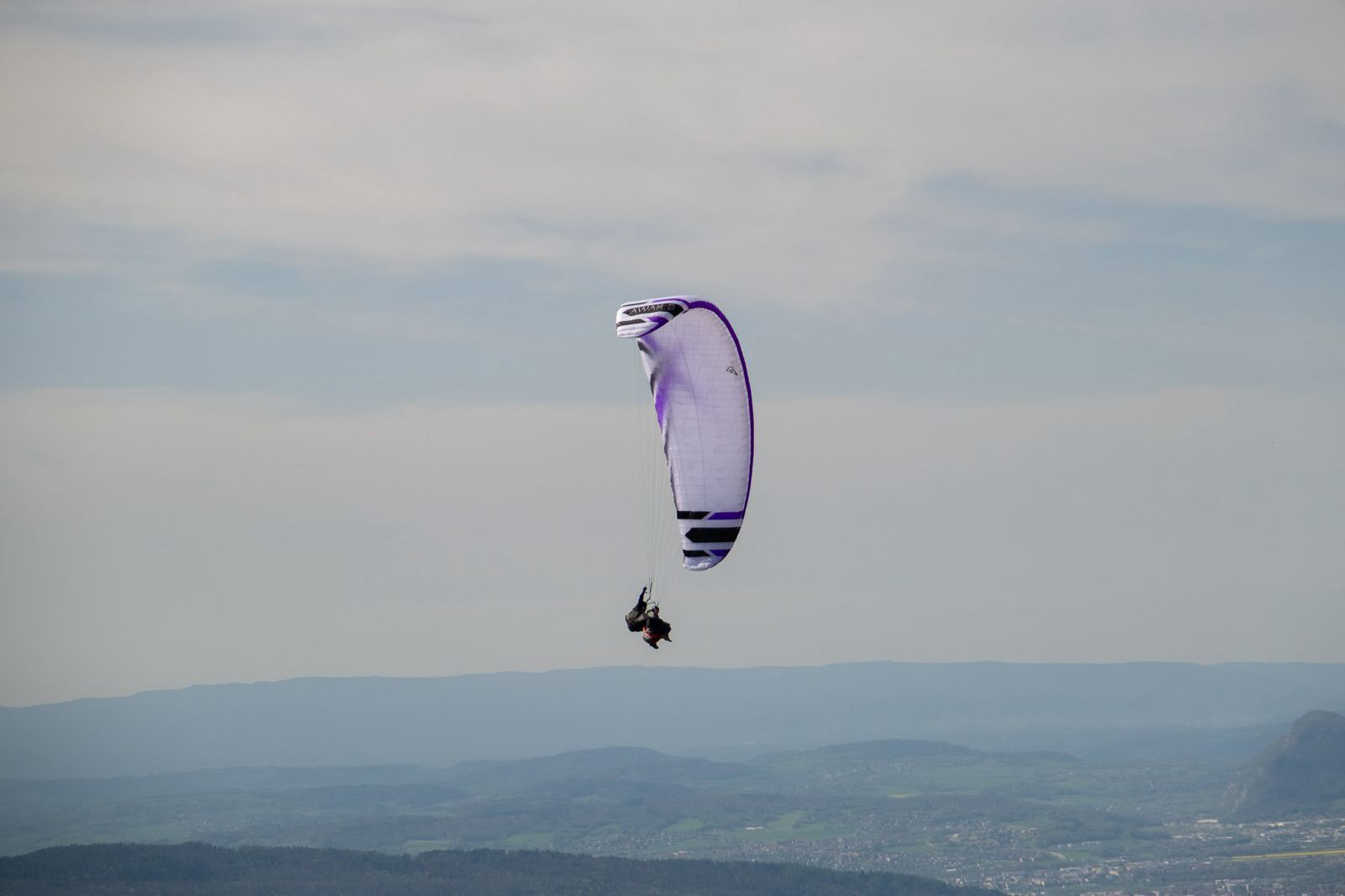
Paragliding is a recreational and competitive flying sport where a pilot flies a soft-wing aircraft called a paraglider. The paraglider is launched by foot, usually from hills or mountain slopes, and remains airborne by using wind currents and thermal lift.
The aircraft itself consists of a fabric wing connected to the pilot through suspension lines and a harness. There is no engine in standard paragliding, which makes the experience quiet, peaceful, and deeply connected to nature.
Paragliding can be enjoyed in two main ways:
- Tandem Paragliding — flying with a certified instructor
- Solo Paragliding — flying independently after professional training
Today, paragliding has become a popular tourism attraction and adventure sport across many countries because it combines excitement, scenic landscapes, and accessibility for beginners.
The History of Paragliding
Paragliding developed from parachute technology in the late 20th century. Early parachute designers experimented with controllable canopy systems that eventually evolved into modern paragliders.
By the 1980s, pilots in Europe began launching from mountain slopes instead of jumping from aircraft. This innovation transformed parachuting into a completely new air sport.
Over time, advancements in wing design, safety systems, and pilot training made paragliding more accessible and safer for recreational use. Today, thousands of pilots worldwide participate in paragliding for sport, tourism, and competition.
How Does Paragliding Work?
Paragliding works through aerodynamic principles similar to airplane flight. The paraglider wing creates lift as air flows over and under the canopy.
When the pilot launches from a slope, gravity and airflow inflate the wing. Once airborne, the pilot controls direction and speed using brake toggles attached to the trailing edge of the wing.
Paragliders stay in the air using:
Wind blowing against a hill or mountain creates upward-moving air, allowing pilots to stay aloft.
1. Ridge Lift
Wind blowing against a hill or mountain creates upward-moving air, allowing pilots to stay aloft.
2. Thermal Lift
The sun heats the ground unevenly, producing rising warm air called thermals. Pilots can circle inside these thermals to gain altitude.
3. Dynamic Airflow
Experienced pilots use changing wind patterns and atmospheric conditions to extend flight duration.
Because paragliders rely on natural air currents, weather conditions play a major role in flight safety and performance.
Types of Paragliding
There are several styles of paragliding depending on the pilot’s goals and experience level.
Tandem Paragliding
Tandem flights are designed for beginners and tourists. Passengers fly together with a certified instructor who controls the entire flight.
This is the safest and easiest way to experience paragliding for the first time.
Benefits of Tandem Flights
- No previous experience required
- Professional instructor handles navigation and landing
- Perfect for adventure tourism
- Safe introduction to free flight
- Amazing aerial photography opportunities
Solo Paragliding
Solo pilots operate the paraglider independently after completing certified training courses.
Pilots learn:
- Ground handling
- Launch techniques
- Weather analysis
- Flight control
- Emergency procedures
- Safe landing techniques
Solo paragliding offers complete freedom and is popular among adventure enthusiasts.
Cross-Country Paragliding
Cross-country (XC) flying involves long-distance flights using thermals and wind currents.
Experienced pilots may travel dozens or even hundreds of kilometers during a single flight.
This discipline requires advanced weather understanding and navigation skills.
Acrobatic Paragliding
Acro paragliding involves advanced aerial maneuvers and tricks.
Pilots perform spirals, wingovers, loops, and dynamic freestyle movements. This discipline is highly specialized and only recommended for expert pilots.
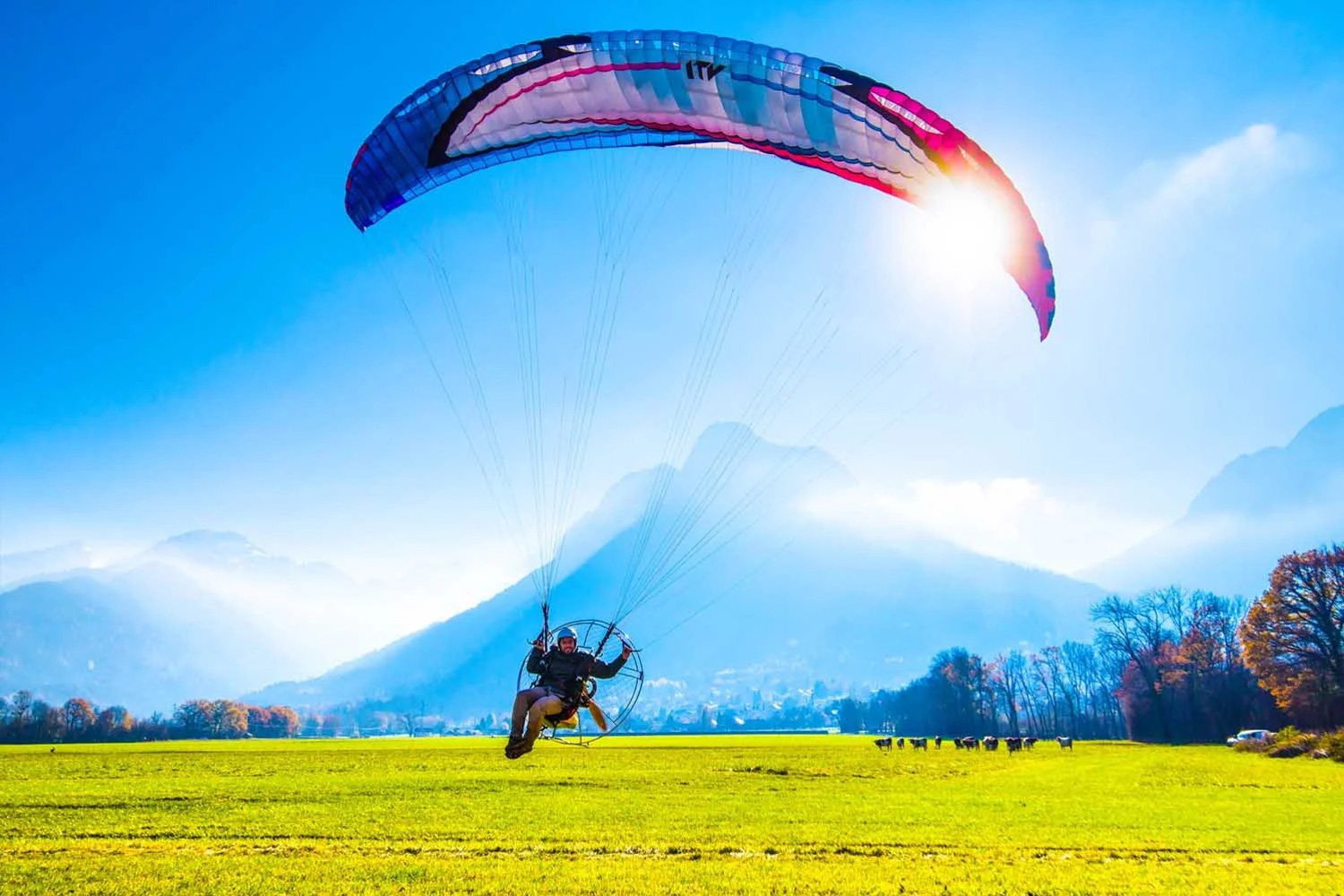
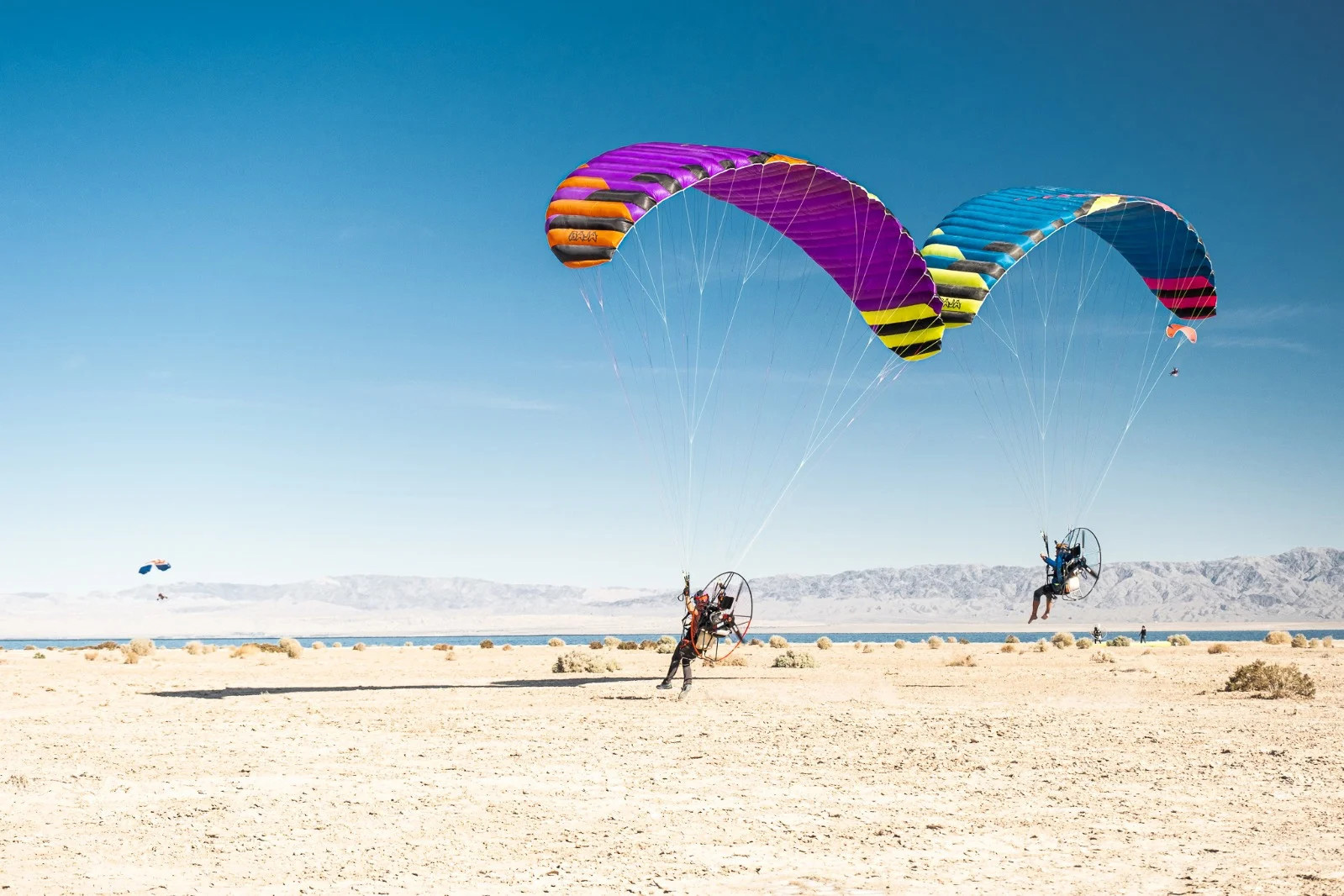
Paramotor Flying
Paramotoring combines a paraglider wing with a motorized propeller worn on the pilot’s back.
Unlike traditional paragliding, paramotors can take off from flat ground and fly without relying heavily on thermal lift.
Paramotor flying has become increasingly popular because it offers greater flexibility and extended flight range.
Paragliding Equipment
Paragliding uses specialized equipment designed for safety, performance, and comfort.
1. Paraglider Wings
The wing is made from lightweight yet durable fabric cells that inflate with air to create aerodynamic lift.
Modern wings are classified by skill level:
- Beginner Wings
- Intermediate Wings
- Advanced Performance Wings
- Competition Wings
2. Harness
The harness connects the pilot to the wing and provides seating comfort during flight.
Most harnesses include:
- Back protection
- Storage compartments
- Reserve parachute container
- Adjustable straps
3. Helmet
A certified flight helmet protects the pilot during takeoff and landing.
Safety-certified helmets are mandatory for all pilots and passengers.
4. Reserve Parachute
The reserve parachute serves as an emergency backup system.
If the main wing experiences a serious issue, pilots can deploy the reserve parachute for emergency descent.
5. Variometer and GPS
Flight instruments help pilots monitor:
- Altitude
- Climb rate
- Speed
- Navigation
- Wind direction
Advanced pilots often use integrated GPS flight computers.
Is Paragliding Safe?
One of the most common questions people ask is whether paragliding is safe.
The answer is yes — paragliding is considered relatively safe when conducted properly with professional instruction, certified equipment, and suitable weather conditions.
Like any adventure sport, risks exist. However, the majority of accidents are caused by:
- Poor weather decisions
- Inadequate training
- Pilot error
- Unsafe takeoff or landing areas
- Lack of equipment maintenance
Professional tandem operators follow strict safety standards to minimize risk.
Important Safety Factors
Weather Conditions
Weather is the single most important factor in paragliding safety.
Pilots carefully analyze:
- Wind speed
- Wind direction
- Thermal activity
- Cloud formation
- Rain probability
Flights are canceled immediately if conditions become unsafe.
Certified Instructors
Always fly with licensed and experienced instructors.
Professional instructors understand local flying conditions and emergency procedures.
Regular Equipment Inspection
Paragliding gear must be inspected and maintained regularly.
Wings, harnesses, carabiners, and reserve parachutes all require periodic checks.
Proper Training
Formal training significantly improves safety.
Students learn:
- Air law
- Meteorology
- Emergency handling
- Flight theory
- Landing techniques
Benefits of Paragliding
Paragliding offers much more than adrenaline. Many pilots describe it as a life-changing experience.
1. Incredible Freedom
Flying silently above mountains, beaches, forests, or lakes creates a unique sense of freedom that few activities can match.
2. Stress Relief
Paragliding helps reduce stress by immersing participants in nature and encouraging mental focus.
Many people find flying deeply calming and therapeutic.
3. Stunning Views
Paragliding provides panoramic aerial perspectives impossible to experience from the ground.
Popular flying locations often include:
- Mountain ranges
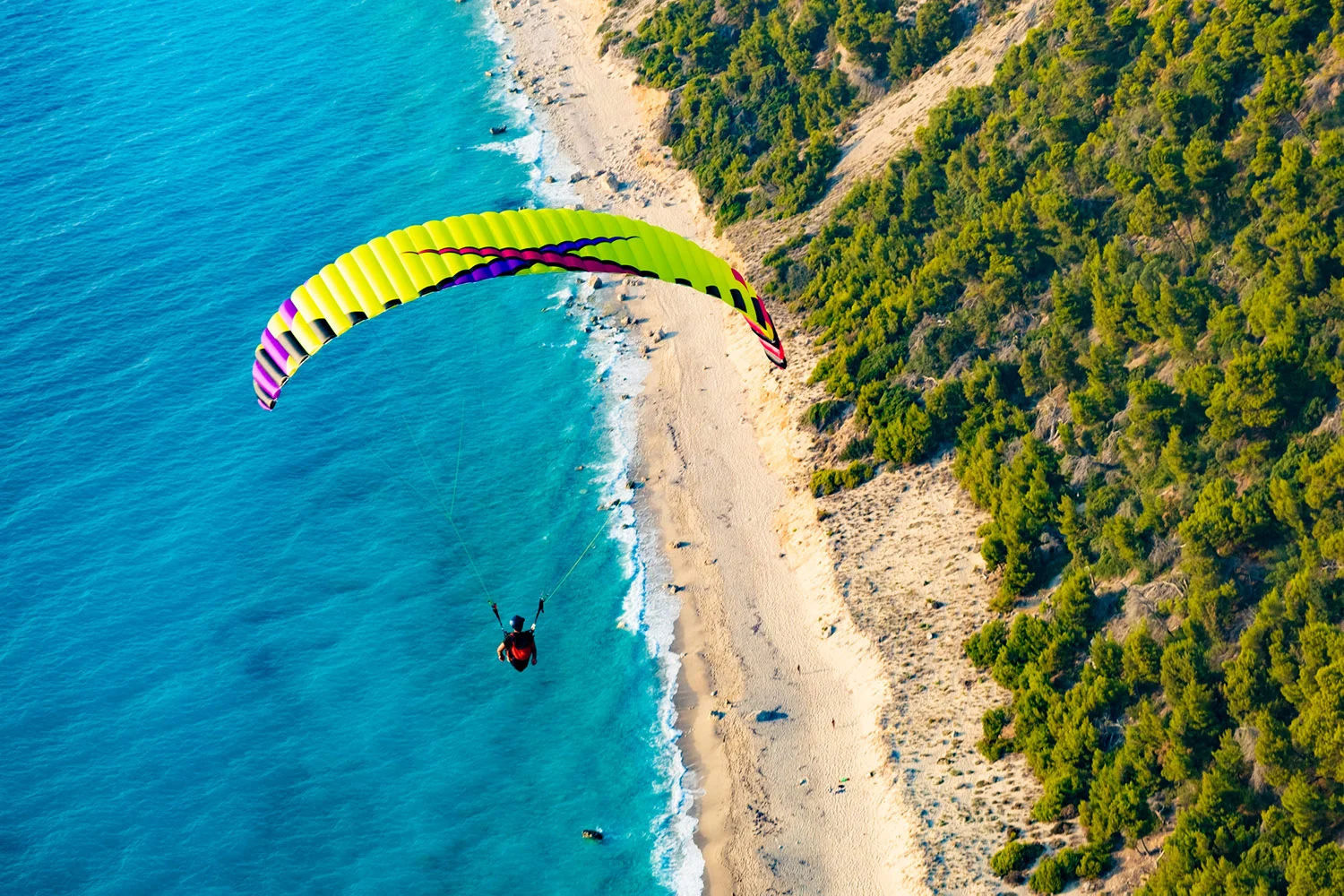
- Coastal cliffs
- Tropical beaches
- Volcanoes
- Countryside landscapes
4. Physical and Mental Challenge
Pilots develop:
- Coordination
- Decision-making skills
- Weather awareness
- Confidence
- Situational awareness
5. Adventure Tourism Opportunity
Paragliding has become one of the fastest-growing adventure tourism industries worldwide.
Many travelers add tandem flights to their vacation bucket lists.
Best Places for Paragliding
Many countries offer world-class paragliding destinations.
Some famous global locations include:
Interlaken, Switzerland
Known for spectacular alpine scenery and professional tandem operators.
Oludeniz, Turkey
One of the world’s most iconic coastal paragliding sites.
Pokhara, Nepal
Offers incredible views of the Himalayas.
Queenstown, New Zealand
Popular for adventure sports and mountain flying.
Bali, Indonesia
Provides beautiful coastal soaring conditions and tropical scenery.
Indonesia itself has many excellent paragliding destinations, including mountain regions and coastal cliffs suitable for tandem tourism and pilot training.
Instagram ITV Indonesia