
What is Paramotor? Complete Guide to Powered Paragliding
What is Paramotor? Paramotor is one of the most exciting and accessible forms of personal aviation in the world today. Combining the freedom of paragliding with the power of a lightweight engine, paramotoring allows pilots to fly through the sky with incredible flexibility, breathtaking views, and an unmatched sense of adventure.
Whether you are an outdoor enthusiast, an adrenaline seeker, or someone who dreams of flying like a bird, paramotor flying offers a unique experience that is both thrilling and surprisingly approachable for beginners.
In this article, we will explain what paramotor is, how it works, the equipment used, safety considerations, training requirements, and why so many people are becoming interested in powered paragliding.
What Is Paramotor?
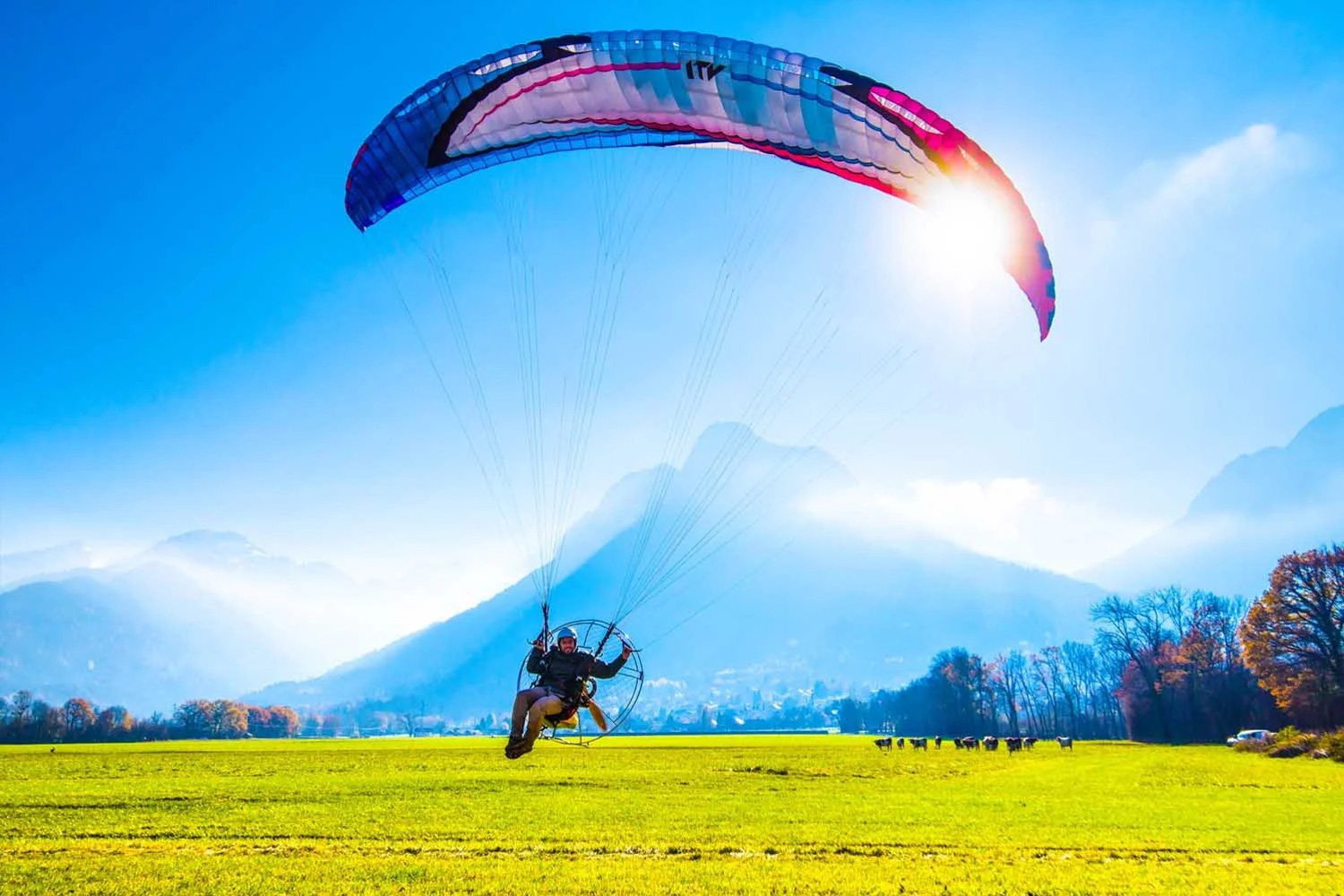
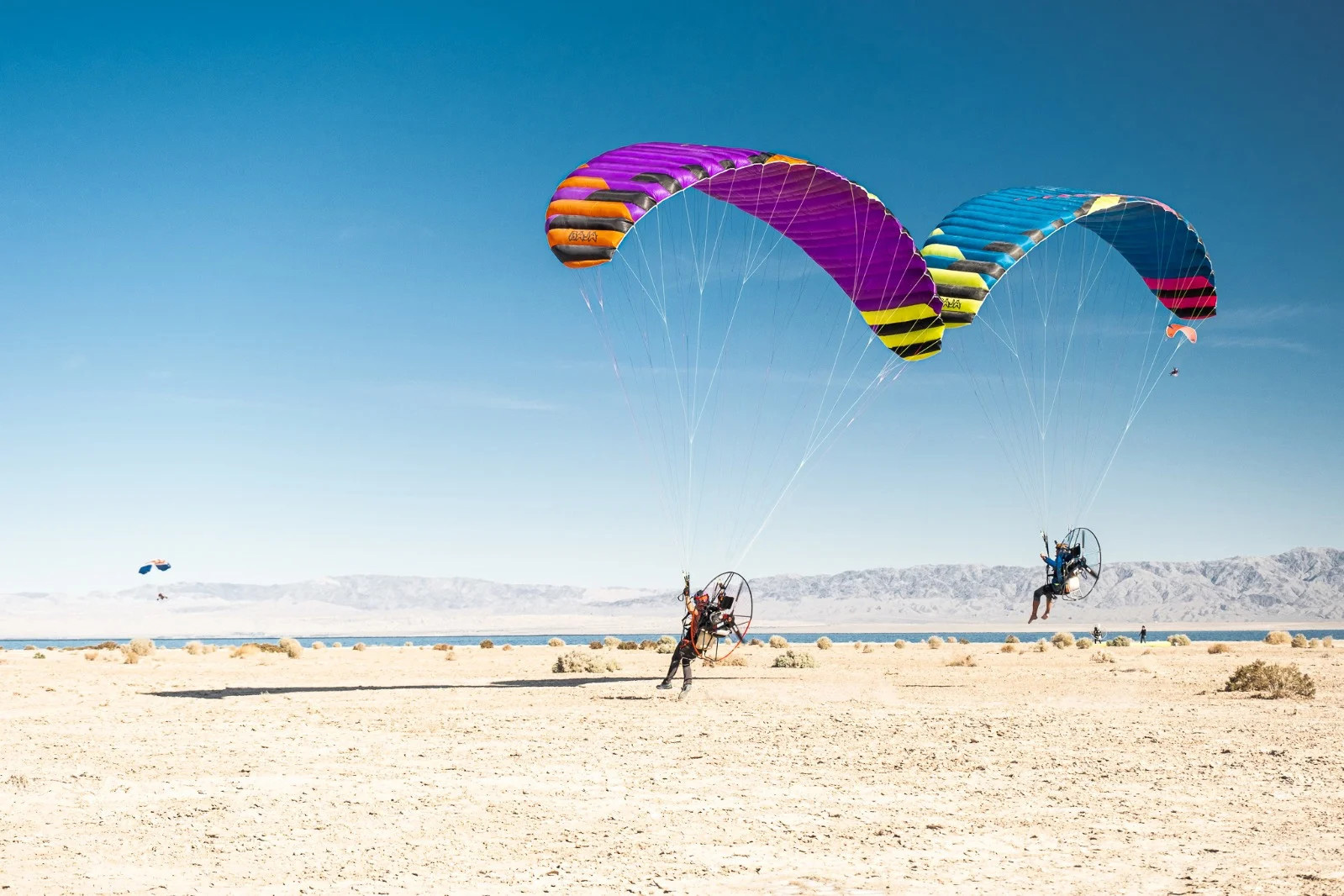
A paramotor, also known as powered paragliding, is an ultralight aircraft that consists of two main components:
- A paraglider wing
- A lightweight motor attached to the pilot’s back
The engine provides thrust, allowing the pilot to take off from flat ground without needing hills or towing systems. Once airborne, the pilot controls the wing using brake toggles and weight shifting, similar to traditional paragliding.
Paramotoring is considered one of the simplest and most affordable ways to experience personal flight.
How Does a Paramotor Work?
The basic principle behind paramotor flight is relatively simple.
The paraglider wing creates lift as air flows over it, while the engine and propeller generate forward thrust. Together, these forces allow the pilot to launch, climb, cruise, and land safely.
The Flight Process
1. Wing Inflation
Before takeoff, the pilot spreads the wing on the ground and inflates it overhead using airflow.
2. Engine Thrust
Once the wing is stable, the pilot applies throttle to generate power from the engine.
3. Takeoff
The pilot runs forward for a short distance until the wing creates enough lift for takeoff.
4. Flight Control
The pilot steers using brake handles connected to the wing.
5. Landing
To land, the pilot gradually reduces engine power and performs a controlled descent.
Main Components of a Paramotor
Understanding the equipment helps beginners appreciate how paramotors operate safely and efficiently.
1. Paramotor Engine
The engine is mounted inside a protective cage behind the pilot. It powers the propeller and generates thrust.
Most engines are:
- Lightweight
- Fuel-efficient
- Two-stroke or four-stroke
- Designed specifically for aviation use
2. Paraglider Wing
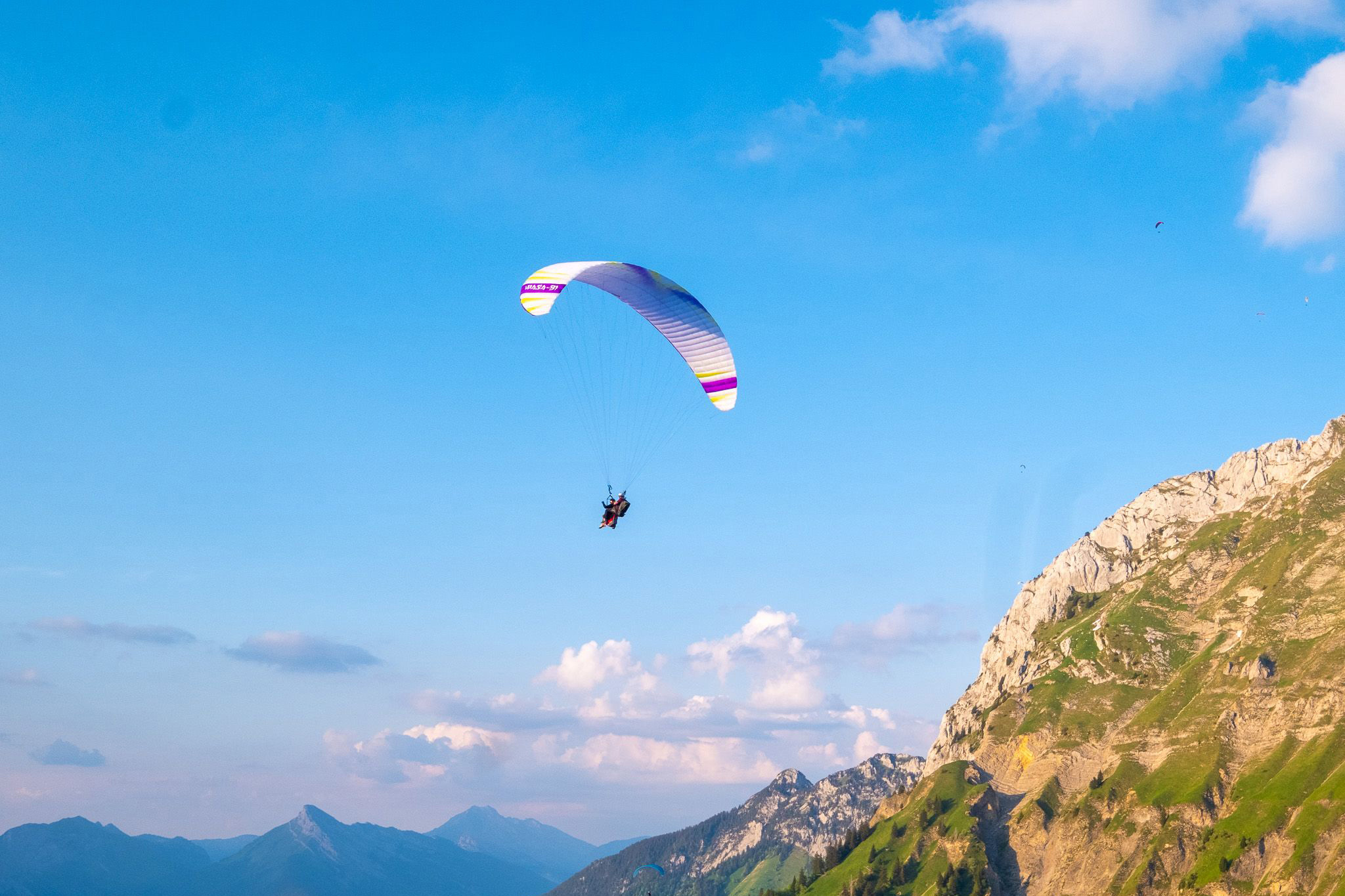
The wing resembles a parachute but functions as an airfoil designed for controlled flight.
Different wings are designed for:
- Beginner training
- Cross-country flying
- Speed and performance
- Tandem flights
3. Harness
The pilot sits comfortably in a harness connected to both the motor and the wing.
4. Propeller
The propeller converts engine power into forward thrust.
5. Reserve Parachute
Many pilots carry an emergency reserve parachute for additional safety.
Types of Paramotor Flying
Foot Launch Paramotor
The pilot launches by running on foot until airborne. This is the most common type of paramotoring.
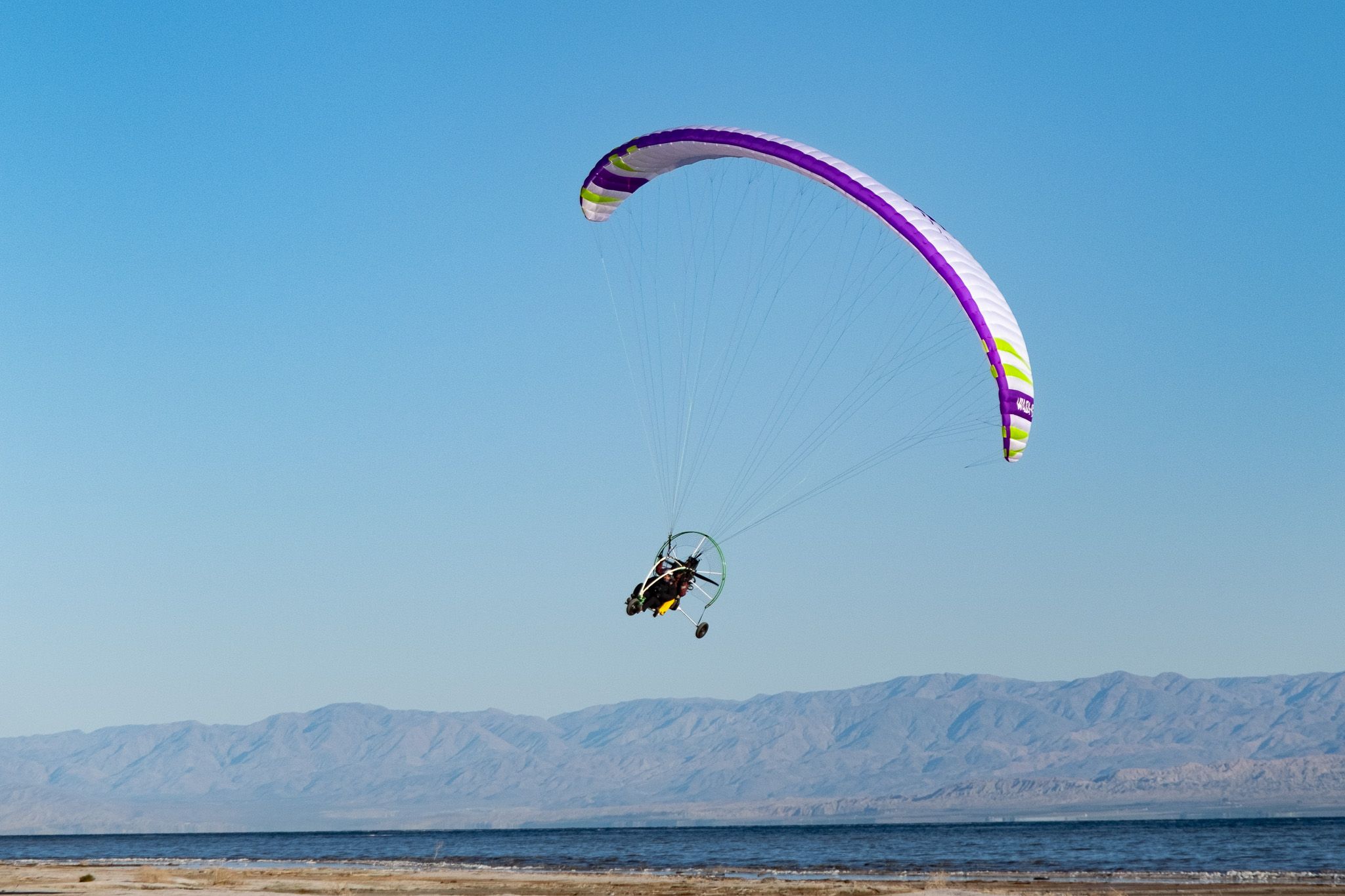
Trike Paramotor
A wheeled frame is used instead of running. This option is popular for:
- Older pilots
- Tandem flights
- Pilots with limited mobility
Is Paramotor Safe?
Like any aviation activity, paramotoring involves risks. However, with proper training, quality equipment, and safe weather conditions, it can be a very safe recreational sport.
Important Safety Factors
Professional Training
Learning from certified instructors is essential.
Weather Awareness
Pilots must understand:
- Wind conditions
- Thermal activity
- Turbulence
- Rain risks
Equipment Inspection
Regular maintenance and pre-flight checks are critical.
Responsible Flying
Good decision-making is one of the biggest safety factors in aviation.
How to Learn Paramotor Flying
Many beginners are surprised by how accessible paramotor training can be.
Basic Training Usually Includes:
- Ground handling
- Wing control
- Equipment setup
- Weather theory
- Flight safety
- Launch and landing practice
- Emergency procedures
Most students can learn basic flight skills within several days of professional instruction.
Who Can Learn Paramotoring?
Paramotoring is suitable for many people who are reasonably healthy and physically capable of light running.
Typical requirements include:
- Minimum age requirements depending on local regulations
- Basic physical fitness
- Ability to follow safety instructions
- Strong interest in aviation and outdoor activities
No previous flying experience is usually required.
Benefits of Paramotoring
Incredible Freedom
Pilots can launch from open fields and explore landscapes from above.
Stunning Aerial Views
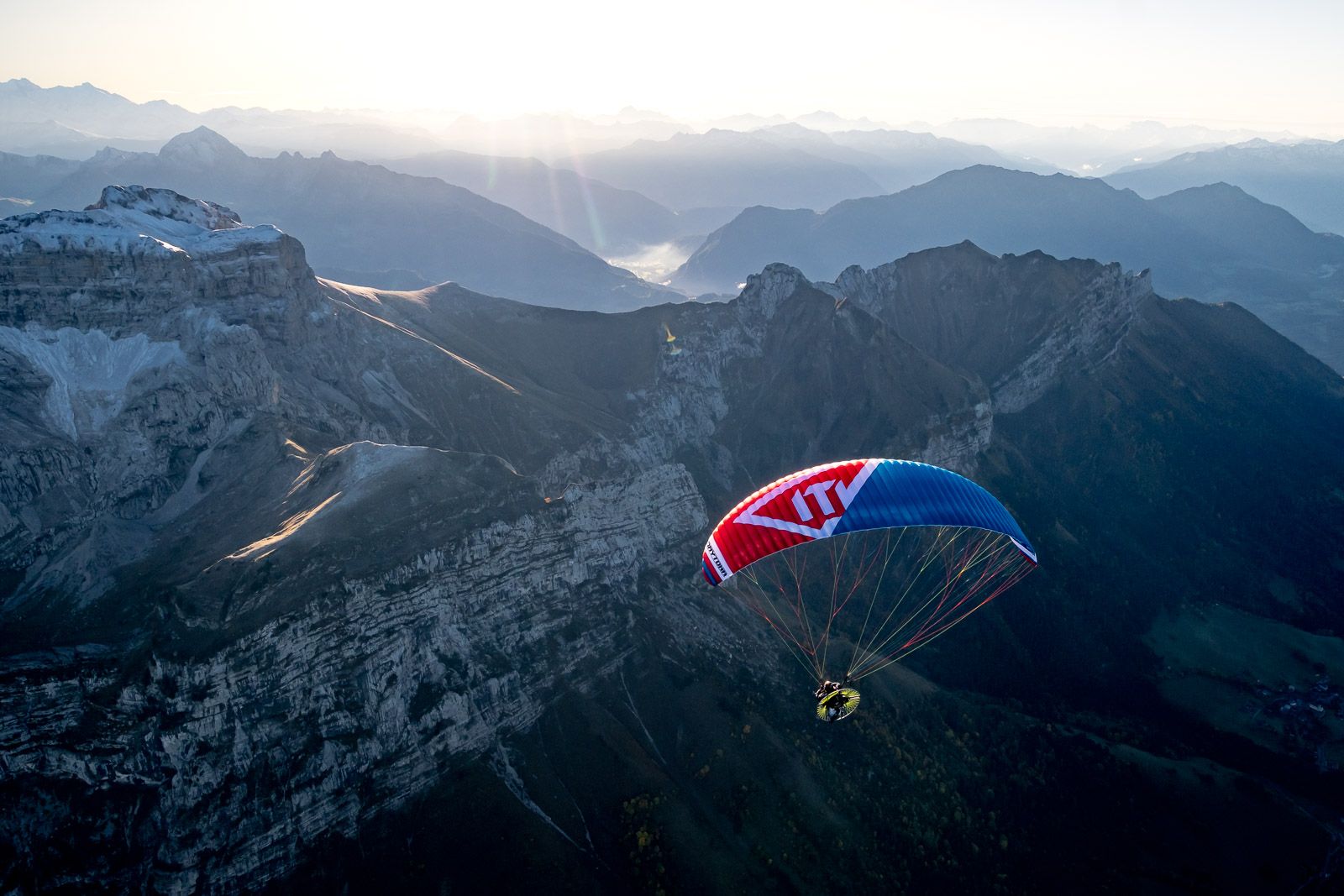
Paramotor flights offer panoramic views of:
- Mountains
- Beaches
- Rice fields
- Forests
- Coastlines
- Sunrises and sunsets
Adventure and Excitement
Few experiences compare to the thrill of personal flight.
Relaxing Experience
Many pilots describe paramotoring as peaceful and meditative.
Accessible Aviation
Compared to traditional aircraft training, paramotoring is significantly more affordable.
Final Thoughts
Paramotor flying is one of the closest experiences humans can have to natural flight. Combining lightweight aviation technology with the simplicity of paragliding, it offers a thrilling yet peaceful way to explore the world from above.
With proper training, safe equipment, and responsible flying practices, paramotoring can become a life-changing hobby filled with unforgettable experiences and breathtaking views.
If you have ever dreamed of flying freely through the sky, paramotor training may be the perfect adventure to begin your journey. Please Contact Us, ITV WINGS INDONESIA.